


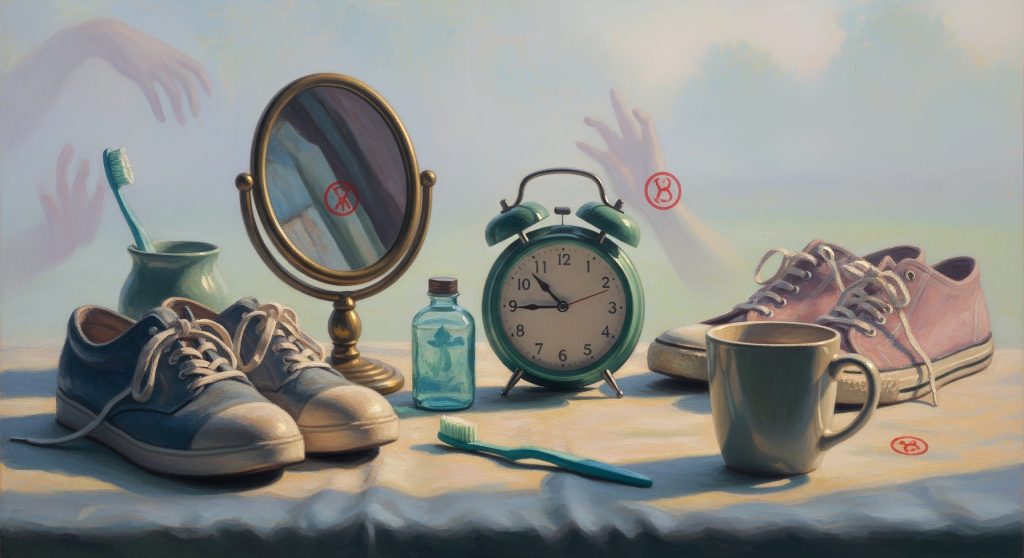
Have you ever stopped to think about where your morning toothbrush really came from? Or why that buzzing alarm clock feels like a rude awakening? The dark origins of everyday objects reveal stories packed with desperation, danger, and unexpected twists. These common items we grab without a second glance often started in ways that are anything but ordinary.
In this article, we’ll dive into the shadowy pasts of 10 familiar things, showing how they evolved from gritty beginnings to household staples. You’ll gain a fresh perspective on the stuff around you—and maybe even share a fun fact or two at your next gathering.
The Vibrator: A Medical Fix Turned Personal
Picture this: back in the 1800s, doctors treated women for what they called “hysteria”—a catch-all term for everything from stress to sadness. The remedy? A hands-on massage meant to bring relief through what we’d now call an orgasm. It was all very clinical, no romance involved.
This tedious process sparked invention. Enter the electromechanical vibrator in 1880, designed to save doctors time and effort. Marketed as a health device, it appeared in catalogs alongside toasters. Over decades, its use shifted from medical offices to private homes, embracing a more pleasurable role.
Today, vibrators are celebrated for wellness and fun. But knowing their roots in outdated medical ideas adds a layer of intrigue. It’s a reminder that societal views on health evolve, turning tools of necessity into items of choice.
The Toothbrush: Ancient Tools for Tough Times
Your sleek electric toothbrush owes its existence to ancient ingenuity born from basic survival needs. Around 3500 BC in Babylon, people chewed on frayed twigs to scrub their teeth clean. Fast forward to China in the 1400s, where hog bristles attached to bamboo or bone handles became the norm—scratchy and far from comfortable.
These early versions weren’t about fresh breath; they were about preventing decay in a world without modern dentistry. By the 1930s, nylon bristles replaced animal hair, making brushes softer and mass-produced. Yet, the core idea remains: a simple stick evolved into a daily essential.
Next time you brush, consider how this tool bridged eras of hardship. It’s evolved, but its dark origins highlight humanity’s ongoing battle for basic hygiene.
The Alarm Clock: From Harsh Wake-Ups to Gentle Buzzes
That annoying beep pulling you from sleep has roots in mechanisms that were downright brutal. In the 1700s, early alarm clocks used bells struck by hammers or even mechanisms that dumped water on sleepers. The goal? Force workers into factories during the Industrial Revolution, where tardiness meant lost wages—or worse.
One infamous design from the 1800s involved a bed that tilted to eject the occupant. These weren’t gentle nudges; they were aggressive enforcers of routine. Electric versions in the 1900s tamed the chaos, adding snooze buttons for mercy.
Modern apps and smart clocks make waking up easier, but the alarm’s dark origins stem from controlling labor in harsh times. It shows how technology softens edges over time, turning punishment into productivity.
The Safety Pin: Born from a Quick Cash Need
In 1849, inventor Walter Hunt faced a $15 debt—about $500 today. Desperate, he sketched a coiled wire with a clasp to safely fasten fabric. He patented it, sold the rights for $400, and paid off his creditor. Simple, right? But this humble pin solved real dangers, like pricks from straight pins that could lead to infections.
Originally for clothing repairs, it quickly found uses in diapers, crafts, and even protests as a symbol of solidarity. Hunt’s invention wasn’t about fame; it was pure practicality under pressure.
Today, safety pins are everywhere, from sewing kits to fashion statements. Their origin in financial desperation underscores how urgency sparks clever solutions that last generations.
Matches: Lighting Fires with a Toxic Twist
Striking a match seems effortless now, but early versions were a nightmare. In the 1820s, matches used white phosphorus, a chemical that ignited easily but poisoned factory workers. Many developed “phossy jaw,” a gruesome condition where jawbones decayed, glowing in the dark from exposure.
Workers, often women and children, endured horrific factories for pennies. By the late 1800s, safer red phosphorus took over after strikes and regulations. The modern safety match hides this toxic past.
When you light a candle, remember the human cost behind that flame. It’s a stark example of how industrial progress often came at the expense of vulnerable lives.
The Pencil: Graphite Mines and Hidden Hardships
That No. 2 pencil on your desk traces back to 16th-century England, where graphite was discovered in Borrowdale. Miners descended into dark, dusty shafts, facing collapses and lung-damaging particles. Graphite was so valuable it was guarded like gold, used for cannonball molds before writing.
Early pencils wrapped graphite in string or wood, but the labor was grueling—miners often died young from respiratory issues. Today’s pencils mix graphite with clay for smoothness, mass-produced safely.
Pencils symbolize creativity, yet their dark origins reveal exploitation in resource extraction. It’s a quiet nod to the workers who made everyday writing possible.
The Treadmill: Punishment Device to Gym Essential
Head to the gym for a run? Thank a 19th-century prison reform idea. In 1818, engineer William Cubitt created the treadmill as a disciplinary tool. Inmates stepped endlessly on rotating stairs, grinding corn or pumping water as “hard labor.”
It was meant to deter crime through exhaustion, but it broke bodies instead—leading to injuries and overuse. By the 1900s, prisons phased it out, and in the 1960s, it reemerged as a fitness machine for heart health.
From torment to toning, the treadmill’s evolution flips a dark chapter into positive use. It proves inventions can pivot from control to empowerment.
Post-It Notes: A Sticky Accident That Stuck Around
Ever jot a reminder on a yellow square? It started as a flop in 1968 when 3M chemist Spencer Silver aimed for a super-strong glue but got a weak, repositionable one instead. Shelved as useless, it gathered dust until colleague Art Fry needed bookmarks that wouldn’t fall out of his choir hymnal.
In 1980, Post-It Notes hit the market, transforming offices worldwide. What began as a lab mishap became a billion-dollar idea, proving failure can lead to breakthroughs.
These notes organize our chaos, but their origin in serendipity encourages embracing mistakes. Who knows what “failures” in your life could stick?
Barbed Wire: Fencing In More Than Just Land
Ranchers use it for boundaries, but barbed wire’s 1873 invention by Joseph Glidden changed warfare forever. Designed to contain cattle in the open American West, it ended open-range herding and sparked land disputes.
By World War I, it entangled trenches, causing horrific injuries. Prisons and borders still rely on it for control, turning a farm tool into a symbol of division.
Barbed wire’s dark origins blend progress with pain, showing how innovations for good can enable harm. It fences in history as much as land.
The Plastic Bag: Convenience with a Heavy Price
Grab a grocery bag? Swedish engineer Sten Gustaf Thulin invented it in 1959 for reusable shopping, but it exploded into single-use disposables. Billions now choke oceans, harm wildlife, and clutter landfills—issues Thulin never anticipated.
Early bags promised efficiency, but their non-biodegradable nature created environmental disasters. Bans and alternatives are rising, but the damage lingers.
This everyday carrier’s origins highlight unintended consequences. It urges us to rethink convenience for sustainability’s sake.
Why Exploring These Dark Origins Matters
Peeling back the layers on these items isn’t just trivia—it’s a window into human resilience. Many arose from crises, like debt or disease, pushing inventors to think creatively. Others expose ethical lapses, from worker exploitation to environmental oversights.
By understanding these histories, we appreciate progress and spot patterns in modern inventions. For instance, today’s gadgets might have hidden costs we overlook. It sparks curiosity: what’s the story behind your coffee maker or phone charger?
Actionable tip: Next family dinner, share one of these tales. It turns ordinary chats into engaging discussions, fostering a deeper connection to the world around us.
FAQ
What are some other everyday objects with dark origins?
Beyond what’s covered here, consider the guillotine (originally a “humane” execution device) or canned food (born from wartime needs). Researching origins like these reveals how necessity drives change.
How can knowing the dark origins of everyday objects change my perspective?
It builds empathy for past struggles and encourages mindful consumption. For example, opting for eco-friendly matches honors workers’ histories while reducing modern harm.
Are there modern inventions with similarly surprising histories?
Yes, like Velcro (inspired by burrs on a dog’s fur) or microwaves (from radar tech accidents). These show innovation often stems from unexpected places.
Why do so many common items start in medical or industrial settings?
Harsh environments demand quick fixes. Medicine and factories push boundaries, turning tools from specialized to everyday as society adapts.
Can learning about these origins inspire new ideas?
Absolutely. Seeing how failures like weak glue became Post-Its motivates experimentation. Try journaling inventions’ backstories—it could spark your next big thought.
Wrapping up, the dark origins of everyday objects remind us that nothing is truly mundane. Each item carries a tale of human ingenuity, often forged in tough times.